
Understanding the psychological triggers behind gambling behavior
The Appeal of Risk and Uncertainty
One of the most compelling psychological triggers behind gambling behavior is the allure of risk and uncertainty. Humans have an intrinsic fascination with risk-taking, often driven by the adrenaline rush associated with high-stakes situations. This can manifest as thrill-seeking behavior, where the excitement of not knowing the outcome compels individuals to engage in gambling activities. The unpredictability of games like poker or slot machines captivates players, making them crave more experiences. Many people today are drawn to online pokies real money as they explore these thrilling opportunities.
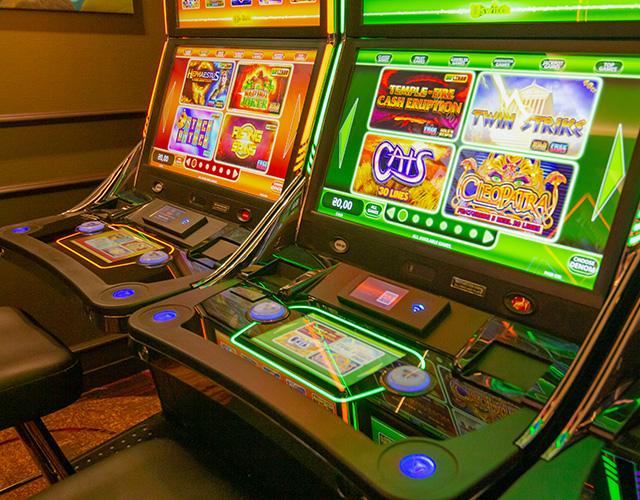
Moreover, the excitement surrounding potential rewards reinforces this behavior. Studies suggest that the brain releases dopamine—a chemical associated with pleasure—when players experience wins, regardless of the size. This neurological reaction creates a feedback loop that entices gamblers to continue wagering, hoping for that next high, ultimately making them more susceptible to developing gambling habits.
The combination of risk and uncertainty can also make gambling a form of escapism. Many individuals turn to gambling as a way to momentarily forget their daily stresses or personal issues. This escape can lead to a cycle where the gambler finds comfort in the thrill of the game, using it as a coping mechanism rather than a mere leisure activity.
The Role of Social Influence
Social dynamics play a significant role in gambling behavior as well. Peer influence can be a potent motivator for individuals to gamble, especially among younger demographics. Social settings that promote gambling—like casinos, sports events, or poker nights—create an environment where gambling feels like a shared experience. This communal aspect often enhances the enjoyment and encourages participation, making it more likely for individuals to engage in gambling.
Additionally, the glamorization of gambling in media further shapes societal perceptions. Movies, television shows, and advertising often depict gambling as a glamorous activity associated with wealth and success. This portrayal can create unrealistic expectations for the outcomes of gambling, encouraging individuals to partake in the activity, believing they might achieve similar results.
The fear of missing out (FOMO) can also lead to increased gambling behavior. In social circles, individuals may feel compelled to participate in gambling activities to fit in or be part of the group. This phenomenon can quickly escalate, as the desire to belong may overshadow personal judgment, leading to reckless gambling decisions fueled by social pressures.
The Illusion of Control and Superstitions
Another critical psychological trigger behind gambling behavior is the illusion of control. Many gamblers believe that they can influence the outcome of games through specific actions or strategies. This misconception often leads them to take risks they might otherwise avoid. For example, a player may believe that their betting patterns can somehow manipulate a slot machine’s behavior, leading them to gamble more frequently in hopes of winning big.
Superstitions also play a significant role in gambling. Gamblers often develop rituals or beliefs about luck, such as wearing specific clothing or following particular routines before placing bets. These superstitious behaviors can reinforce the gambler’s belief that they have some control over the outcome, further entrenching them in their gambling habits. As these patterns become more ingrained, the gambler may find it increasingly difficult to break away from their routines.
This illusion of control not only perpetuates gambling but can also lead to significant financial and emotional consequences. Gamblers may continue to wager larger sums, convinced that their next win is just around the corner, leading to potentially destructive gambling behaviors and addiction.
Understanding Gambling Addiction
Gambling addiction is a severe issue that stems from various psychological triggers. Individuals who develop an addiction often find themselves caught in a vicious cycle where their initial enjoyment transforms into a compulsion. This shift can happen gradually, as the thrill of the game becomes overshadowed by the need to gamble to avoid withdrawal symptoms associated with not playing.
Psychological factors such as anxiety and depression often coalesce with gambling addiction. For many, gambling serves as an escape route from emotional distress. In this context, the activity becomes not just a source of entertainment but a means of coping with deeper issues. This connection can make it increasingly challenging for the individual to seek help, as they may rely on gambling to manage their emotions.
Understanding the psychological roots of gambling addiction is crucial for treatment. Therapeutic approaches often incorporate cognitive-behavioral therapy (CBT) to help individuals recognize and alter their maladaptive thoughts and behaviors. By addressing the psychological triggers, recovering gamblers can learn healthier coping mechanisms and reduce their reliance on gambling for emotional relief.
Promoting Responsible Gambling
Given the strong psychological triggers behind gambling behavior, promoting responsible gambling is essential. Many online and offline casinos have started implementing measures to foster responsible play, such as offering self-exclusion programs and setting limits on spending. These initiatives are designed to help individuals recognize their gambling patterns and make informed choices about their gaming habits.
Education is another crucial component in promoting responsible gambling. By raising awareness about the psychological triggers and potential consequences associated with gambling, individuals can be better equipped to make informed decisions. Workshops, seminars, and informational campaigns can help demystify the allure of gambling, providing insights into how to engage in the activity without falling prey to its pitfalls.
Support groups and counseling services also play a vital role in promoting responsible gambling. These resources offer a safe environment for individuals struggling with their gambling habits to share their experiences and receive support. By fostering community and connection, these services can help individuals confront their triggers and work towards recovery.

Explore Our Platform for a Safer Gambling Experience
Our platform is dedicated to promoting responsible gambling and providing a wealth of resources for both novice and experienced players. We focus on creating a safe environment where users can explore various gaming options while being mindful of their gambling habits. We understand the psychological triggers associated with gambling behavior, and we aim to educate our users on making informed decisions.
By offering detailed reviews, comparisons, and educational materials, we guide players through the intricacies of online gambling. We emphasize responsible gaming practices, ensuring that our users have access to the tools and information they need to enjoy their gaming experience without compromising their well-being. Join us in exploring a world of responsible gaming options.